
rxBenchmark

Medication Guide

What Is Tirzepatide?

Tirzepatide is the active ingredient behind Mounjaro and Zepbound. Learn how this dual GIP/GLP-1 agonist works, what it's approved for, and what to expect from treatment.

  • Updated August 2026
  • Independently researched
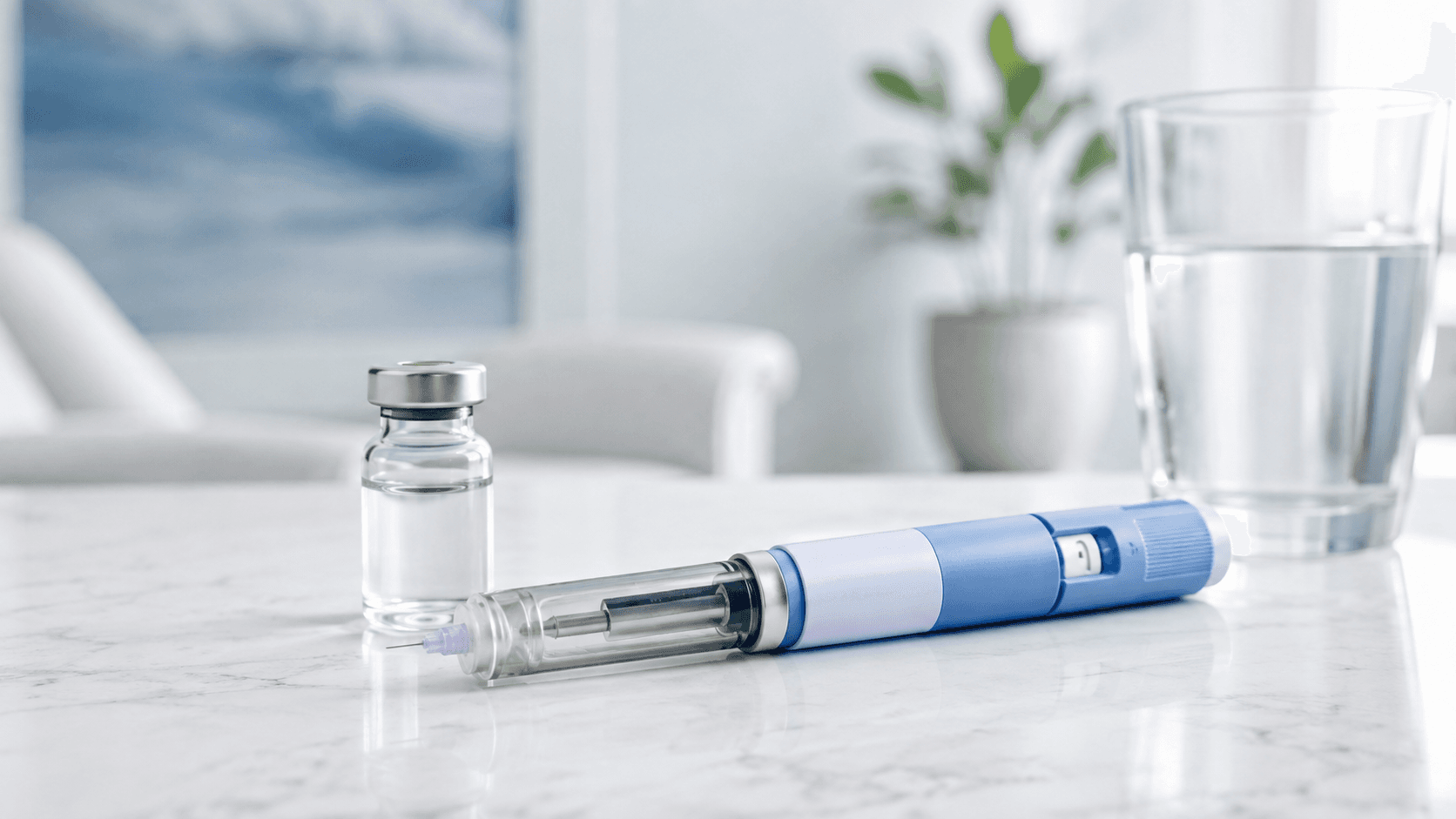
Tirzepatide injection pen and medication vial on a kitchen counter

Tirzepatide is a once-weekly injectable medication that belongs to a newer class of drugs known as dual GIP/GLP-1 receptor agonists. It was developed by Eli Lilly and is sold under two brand names depending on the approved use: Mounjaro, approved in 2022 for type 2 diabetes, and Zepbound, approved in 2023 for chronic weight management and later for obstructive sleep apnea in adults with obesity.

Both products contain the same active ingredient — the brand name simply reflects the indication it's prescribed for.

How tirzepatide works

Most people are familiar with GLP-1 (glucagon-like peptide-1) medications like semaglutide, which mimic a gut hormone that helps regulate blood sugar and appetite. Tirzepatide goes a step further: it activates receptors for two hormones — GIP (glucose-dependent insulinotropic polypeptide) and GLP-1 — making it the first dual agonist of its kind to reach the market.

In practical terms, this dual action:

  • Slows gastric emptying, which increases feelings of fullness after eating
  • Reduces appetite and food intake by acting on hunger signals in the brain
  • Improves insulin sensitivity and helps regulate blood sugar levels
  • Supports meaningful, sustained weight loss when combined with diet and exercise changes

Because it engages two hormonal pathways instead of one, tirzepatide has shown larger average weight-loss and blood-sugar results in clinical trials compared to single-agonist GLP-1 medications — though individual results vary considerably.

What tirzepatide is approved for

As of 2026, tirzepatide carries three FDA-approved indications:

IndicationBrandDetails
Type 2 diabetesMounjaroTo improve blood sugar control alongside diet and exercise
Chronic weight managementZepboundFor adults with obesity, or overweight adults with at least one weight-related health condition
Moderate-to-severe obstructive sleep apneaZepboundIn adults with obesity

Tirzepatide does not currently carry an FDA-approved cardiovascular risk-reduction indication, and any use outside these three approved indications would be considered off-label.

What the research shows

Weight. In the SURMOUNT-1 trial, adults with obesity taking tirzepatide at the highest dose lost an average of about 21% of body weight over 72 weeks, versus roughly 3% on placebo. Individual results varied widely.

Blood sugar. Across the SURPASS program in type 2 diabetes, tirzepatide produced HbA1c reductions that generally exceeded other medications it was tested against, including semaglutide in the SURPASS-2 head-to-head trial.

Sleep apnea. In the SURMOUNT-OSA trials, tirzepatide significantly reduced the number of breathing interruptions per hour in adults with moderate-to-severe obstructive sleep apnea and obesity, leading to its approval for that indication under the Zepbound brand.

Dosing and administration

Tirzepatide is administered as a once-weekly subcutaneous injection, typically starting at a low dose and titrated upward over time under a prescriber's guidance to balance effectiveness with tolerability.

Because appropriate starting doses, titration schedules, and target doses depend on individual health history, this is always determined by a licensed prescriber — not something to self-select.

Common side effects

The most frequently reported side effects are gastrointestinal and tend to be dose-dependent, often easing as the body adjusts:

  • Nausea
  • Diarrhea or constipation
  • Vomiting
  • Decreased appetite
  • Injection site reactions

Tirzepatide carries a boxed warning regarding thyroid C-cell tumors observed in rodent studies; its relevance to humans hasn't been established, but it's why the medication isn't recommended for people with a personal or family history of medullary thyroid carcinoma or Multiple Endocrine Neoplasia syndrome type 2 (MEN 2). As with any prescription medication, a full medical history review with a licensed provider is an essential first step.

Brand-name vs. compounded tirzepatide

Between 2022 and late 2024, tirzepatide was on the FDA's drug shortage list, which allowed licensed compounding pharmacies to produce copies to fill the supply gap. The FDA has since declared the shortage resolved, and compounding of tirzepatide is now generally restricted to narrow cases of documented clinical need that the FDA-approved product can't meet — such as a verified allergy to an excipient in Mounjaro or Zepbound.

Patients considering GLP-1 therapy should understand that the regulatory landscape here has shifted meaningfully since 2024, and should work with a licensed provider who can speak to what's currently permissible.

Is tirzepatide right for you?

Tirzepatide isn't a standalone solution — it's most effective as part of a broader plan that includes nutrition, movement, and ongoing clinical support. Whether it's an appropriate option depends on individual health history, goals, and risk factors, which is why treatment decisions should always be made with a licensed healthcare provider who can evaluate your specific situation.

Frequently asked questions

Is tirzepatide the same as semaglutide?

No. Semaglutide (Ozempic, Wegovy) activates only GLP-1 receptors. Tirzepatide (Mounjaro, Zepbound) activates both GLP-1 and GIP receptors, making it a dual agonist. In head-to-head trials, tirzepatide has produced greater average weight loss, though individual response and side effect tolerance vary.

What is the difference between Mounjaro and Zepbound?

They contain the same active ingredient — tirzepatide. Mounjaro is approved for type 2 diabetes; Zepbound is approved for chronic weight management and obstructive sleep apnea in adults with obesity. The brand name reflects the indication, not a different drug.

How fast does tirzepatide work?

Appetite changes often appear within the first few weeks. Meaningful weight change typically takes months, since the dose is titrated upward gradually to balance effectiveness with tolerability.

Can I still get compounded tirzepatide?

The FDA declared the tirzepatide shortage resolved in late 2024. Compounding is now generally restricted to narrow cases of documented clinical need that the FDA-approved product cannot meet — such as a verified allergy to an excipient in Mounjaro or Zepbound. Ask a licensed provider about current options.

This article is for informational purposes only and does not constitute medical advice. Consult a licensed healthcare provider to determine whether tirzepatide is appropriate for you.

Sources

Ready to compare providers?

If you and your clinician decide tirzepatide may be appropriate, our provider comparison guide evaluates leading online telehealth programs by pricing, care quality, and transparency.

Compare GLP-1 Providers