
rxBenchmark

Costs & Access

How Much Do GLP-1 Medications Cost?

Prices vary dramatically based on insurance, diagnosis, savings programs, and formulation. Here's what actually drives the cost — and what most people realistically pay.

  • Updated August 2026
  • Independently researched
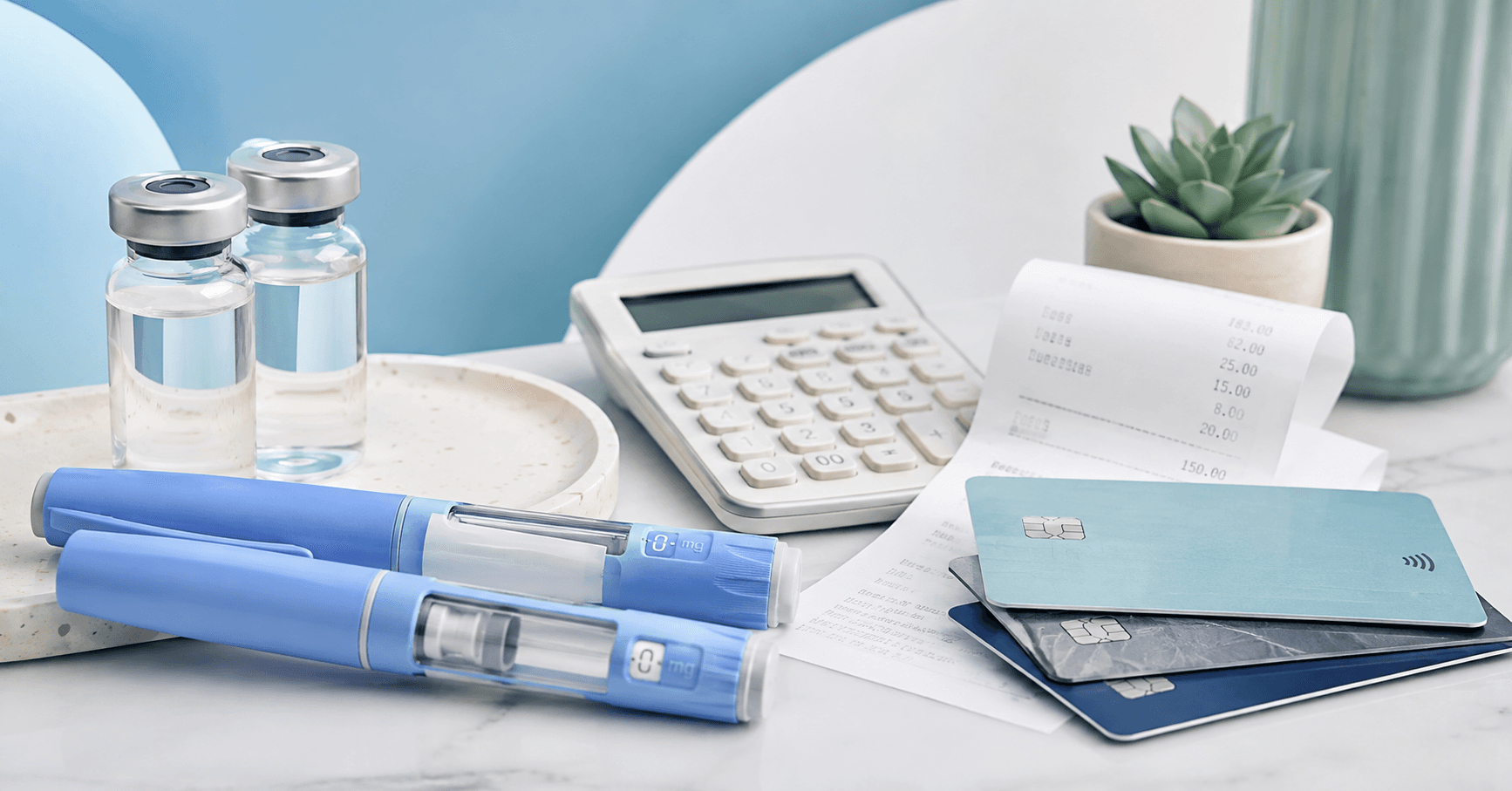
GLP-1 medication pens with a calculator, receipt, and credit cards illustrating treatment costs

Cost is one of the biggest factors people weigh before starting a GLP-1 medication — and it's also one of the most confusing parts of the process. Prices vary dramatically depending on whether you have insurance, which specific drug and dose you're prescribed, whether you use a manufacturer savings program, and where you fill the prescription. Here's a breakdown of what actually drives the price, and what most people can realistically expect to pay.

Pricing in the GLP-1 market changes frequently — list prices, savings card terms, and insurance policies have shifted multiple times over the past two years and continue to evolve. The figures below reflect the general landscape as of this writing; always confirm current pricing directly with a pharmacy, insurer, or manufacturer program before making a decision.

Brand-name list prices

At full list price — what you'd pay with no insurance and no discount program — brand-name GLP-1s are expensive, generally landing somewhere in the four-figures-per-month range depending on the drug and formulation:

MedicationApproximate monthly list price*
Ozempic (semaglutide, T2D)~$1,000+
Wegovy (semaglutide, weight management)~$1,300+
Mounjaro (tirzepatide, T2D)~$1,000+
Zepbound (tirzepatide, weight management)~$1,000+ (pen); notably less via vial

*List prices shift periodically and vary by pharmacy and region. These are directional, not quotes.

Very few people actually pay full list price, though — most people's real costs fall into one of the categories below.

What actually drives your cost

1. Insurance coverage

This is the single biggest cost factor. Coverage depends heavily on:

  • Your diagnosis. Insurance plans generally cover GLP-1s more readily for type 2 diabetes than for weight management alone, since weight-loss indications often require prior authorization and documented BMI/comorbidity criteria.
  • Which brand is on your plan's formulary. A plan may cover Zepbound but not Wegovy (or vice versa) — the drug name matters to insurers even when the underlying use is similar.
  • Medicare and Medicaid rules, which have historically been more restrictive for weight-management indications specifically, though this continues to evolve at the federal level.

With good insurance coverage and prior authorization approved, out-of-pocket costs can drop to a modest monthly copay. Without coverage, patients are generally looking at self-pay pricing.

2. Manufacturer savings programs

Both Novo Nordisk (Ozempic, Wegovy) and Eli Lilly (Mounjaro, Zepbound) offer savings cards and direct self-pay programs (NovoCare and LillyDirect, respectively) that can substantially lower monthly costs for eligible patients — sometimes to a fraction of list price. Eligibility and pricing tiers vary based on insurance status, dose, and specific program terms, and these programs are updated frequently.

3. Vial vs. pen formulation

Some self-pay programs offer lower-dose vial formulations at meaningfully lower price points than the standard auto-injector pens. This has become one of the more accessible cash-pay options for people without insurance coverage for weight management.

4. Compounded medications

Compounded semaglutide and tirzepatide were widely available at lower price points (often in the low-to-mid hundreds per month) during the years both drugs were on the FDA's drug shortage list, since that shortage status permitted pharmacy compounding under federal law. That legal landscape has shifted significantly: the FDA has since declared both shortages resolved, and compounding is now generally restricted to narrow cases of documented clinical need — such as a verified allergy to an excipient in the brand-name product — rather than being broadly available as a lower-cost alternative. If you're considering a compounded option, it's worth confirming with your provider that it falls within current, permissible clinical criteria.

5. Dose

Higher doses within a titration schedule sometimes carry different pricing than starting doses, depending on the pharmacy and program.

A realistic range

Putting it together, here's roughly where most people land:

  • With strong insurance coverage: Often $25–$100/month in copays
  • With a manufacturer savings card, no insurance or high-deductible plan: Often a few hundred dollars per month
  • Self-pay via manufacturer direct programs (vial formulations): Often in the low-to-mid hundreds per month
  • Full list price, no assistance: Can exceed $1,000/month
  • Compounded (only where clinically appropriate under current regulations): Typically lower than brand list price, though availability is now more limited than in prior years

Questions worth asking before you start

  • Does my insurance plan cover this specific medication and indication (diabetes vs. weight management)?
  • Is prior authorization required, and what documentation does it need?
  • Am I eligible for a manufacturer savings card, and what would my cost be with it?
  • Is a lower-cost vial or self-pay program available if I don't have coverage?
  • If a compounded option is being discussed, what's the specific clinical justification, and is it currently permitted?

The bottom line

GLP-1 pricing isn't one-size-fits-all — the same medication can cost $25 or $1,300 a month depending entirely on your coverage, diagnosis, and which savings programs you qualify for. The best way to get a real number is to have your specific insurance situation and prescription reviewed directly, since list prices rarely reflect what any individual patient actually pays.

This article is for informational purposes only and does not constitute medical, legal, or financial advice. Pricing, insurance coverage, and regulatory status change frequently — confirm current information with your provider, pharmacy, insurer, and the relevant manufacturer program before making treatment decisions.

Ready to compare providers?

Our provider comparison guide breaks down pricing structures, membership fees, and total costs across leading online GLP-1 programs.

Compare GLP-1 Providers